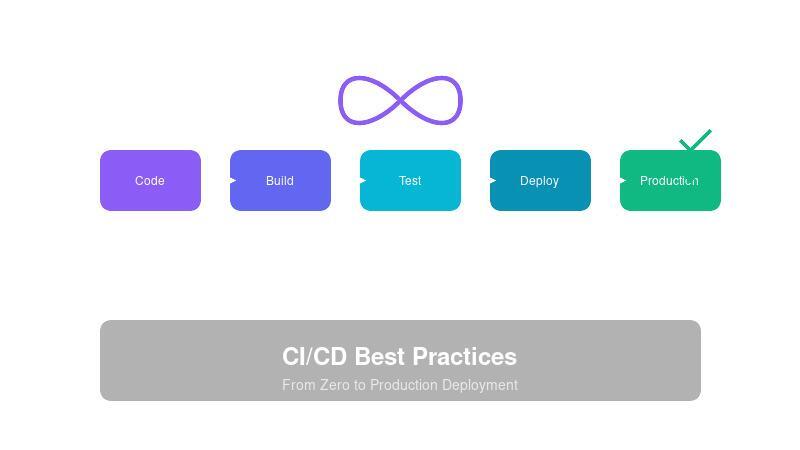

The convergence of Artificial Intelligence and DevOps is no longer a futuristic concept—it's the present reality reshaping how we build, deploy, and maintain software systems. In 2026, AI has become the backbone of modern deployment pipelines, transforming everything from code review to incident response.
The Evolution of AIOps
When we talk about AI in DevOps, we're not just referring to simple automation scripts. Today's AIOps platforms leverage sophisticated machine learning models to predict issues before they occur, optimize resource allocation in real-time, and provide intelligent insights that would be impossible for humans to derive manually.
At Jaypee Brothers, we've implemented AI-driven monitoring that has reduced our incident response time by 60%. The system analyzes patterns across millions of log entries, correlating events that human operators would never connect.
"The best DevOps teams in 2026 aren't just fast—they're predictive. They fix issues before users even notice them."
Key Areas of AI Integration
1. Intelligent Code Review
AI-powered code review tools have evolved beyond simple linting. Modern systems understand context, security implications, and performance impacts. They can:
- Detect potential security vulnerabilities with 95%+ accuracy
- Suggest performance optimizations based on production metrics
- Identify code patterns that historically led to bugs
- Automate routine code review tasks, freeing up senior engineers
2. Predictive Infrastructure Scaling
Gone are the days of reactive scaling. AI models now predict traffic patterns weeks in advance, allowing infrastructure to scale proactively. This has reduced our cloud costs by 40% while improving performance.
# Example: AI-driven scaling prediction
from ai_scaling import PredictiveScaler

scaler = PredictiveScaler(
    metrics=['cpu', 'memory', 'requests'],
    prediction_window='7d',
    confidence_threshold=0.85
)

# Get scaling recommendations
recommendations = scaler.predict()
for rec in recommendations:
    print(f"Scale {rec.service} to {rec.instances} at {rec.time}")
3. Automated Incident Response
When incidents do occur, AI systems now handle the initial response automatically. They can diagnose issues, implement temporary fixes, and even rollback deployments when necessary—all within seconds of detection.
Implementing AI in Your DevOps Pipeline
If you're looking to integrate AI into your DevOps practices, here's a practical approach:
Start with Observability
AI is only as good as the data it receives. Invest in comprehensive logging, metrics, and tracing before implementing AI solutions. Tools like OpenTelemetry provide a solid foundation for AI-driven observability.
Choose the Right Use Cases
Not every problem needs AI. Focus on areas with:
- High volume of repetitive decisions
- Clear success metrics
- Historical data to train models
- Significant impact on business outcomes
Iterate and Learn
AI implementation is iterative. Start with simple models, measure their impact, and gradually increase complexity. The goal is continuous improvement, not perfection from day one.
The Human Element
Despite all this automation, the human element remains crucial. AI augments human capabilities—it doesn't replace them. The best teams use AI to handle routine tasks, freeing engineers to focus on creative problem-solving and strategic thinking.
As engineering leaders, our role is evolving from managing deployments to orchestrating intelligent systems. We need to understand AI capabilities, set appropriate guardrails, and ensure our teams can work effectively alongside these new tools.
Looking Ahead
The integration of AI and DevOps is just beginning. In the coming years, we'll see:
- Self-healing infrastructure that requires minimal human intervention
- AI-generated infrastructure code based on application requirements
- Predictive maintenance that eliminates most unplanned downtime
- Personalized developer experiences powered by AI assistants
The organizations that embrace these changes now will have a significant competitive advantage. Those that wait may find themselves struggling to catch up.
Conclusion
AI is revolutionizing DevOps in ways we're only beginning to understand. By embracing these technologies thoughtfully and strategically, we can build more reliable, efficient, and innovative systems. The future of DevOps is intelligent—and it's here now.